
By Dr. Elizabeth Roberts, Psychologist
Reading time: 5 minutes
Reading time: 5 minutes
The Morning Meeting That Blew Up
I once worked with a teacher who was thoughtful and curious. We had talked about using a morning meeting as a way to help children start their day more settled and build emotional identification. The idea made sense, and she took it seriously. The very next morning, she tried it exactly as planned.
Students arrived, sat in a circle, and chose emotion words from the wall. Each child was invited to describe a time they had felt that emotion, and after each share, the teacher offered validation.
The room unraveled quickly. The children squirmed, fidgeted, wandered off, ran, hit each other, and shouted obscenities. The room grew louder and less contained by the minute. That teacher persisted for weeks. After a few particularly painful moments, the teacher debriefed with me, furious. “I did your thing,” she said. “You told me to talk about feelings. I’m doing exactly what you said. It made things worse."
She wasn’t wrong. I had given her a tool without explaining when to use it.
Students arrived, sat in a circle, and chose emotion words from the wall. Each child was invited to describe a time they had felt that emotion, and after each share, the teacher offered validation.
The room unraveled quickly. The children squirmed, fidgeted, wandered off, ran, hit each other, and shouted obscenities. The room grew louder and less contained by the minute. That teacher persisted for weeks. After a few particularly painful moments, the teacher debriefed with me, furious. “I did your thing,” she said. “You told me to talk about feelings. I’m doing exactly what you said. It made things worse."
She wasn’t wrong. I had given her a tool without explaining when to use it.
What I Got Wrong About Validation
Validation is a powerful intervention. When someone names your experience and accepts it without judgment, it can lower shame, restore dignity, and open the door to learning and meaning-making. But that only happens when the nervous system is ready to receive it.
Validation is a widening move. It invites reflection and connection. Without enough internal safety, validation doesn't calm—it amplifies. More talking means more chances to escalate. More attention from peers means more performance. More emotional intensity means less control.
If the foundation isn't set, the child doesn't settle—they escalate or fragment further. And sometimes, the room follows.
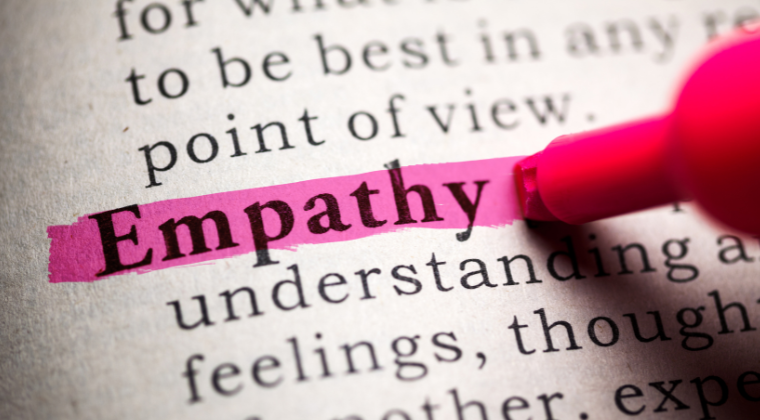
This is where empathy, applied too early, can unintentionally add fuel to the classroom fire.
Validation is a widening move. It invites reflection and connection. Without enough internal safety, validation doesn't calm—it amplifies. More talking means more chances to escalate. More attention from peers means more performance. More emotional intensity means less control.
If the foundation isn't set, the child doesn't settle—they escalate or fragment further. And sometimes, the room follows.
This is where empathy, applied too early, can unintentionally add fuel to the classroom fire.
The Intimacy Barrier
Dr. Bruce Perry referred to this idea as the intimacy barrier. When a child is defensive or self-protective, closeness can feel like pressure rather than support. This is one of the most common ways that well-intentioned adults misread what a distressed child needs.
Teachers often lean in, soften their voice, get low, ask questions, touch a child's back, make eye contact, and move closer. They ask personal questions: How are you? Are you okay?
In a regulated brain, these are all signals of safety. In a brain under siege, they can register as intrusion or even threat. The child pushes back, not because they're oppositional, but because their system is shut down and trying to restore solid ground.
Here's what that looks like in practice:
What doesn't work: "Hey buddy, I can see you're really upset. Do you want to talk about what happened? Come here, let's sit down together and figure this out."
What does: "Sit here. Stack these books. We'll talk in five minutes."
In these moments, what helps most is not more connection, but more structure. Narrowing the frame, using fewer words, focusing on the task at hand, and holding the boundary—all of this reduces threat. Structure restores safety first. Empathy can follow.
Teachers often lean in, soften their voice, get low, ask questions, touch a child's back, make eye contact, and move closer. They ask personal questions: How are you? Are you okay?
In a regulated brain, these are all signals of safety. In a brain under siege, they can register as intrusion or even threat. The child pushes back, not because they're oppositional, but because their system is shut down and trying to restore solid ground.
Here's what that looks like in practice:
What doesn't work: "Hey buddy, I can see you're really upset. Do you want to talk about what happened? Come here, let's sit down together and figure this out."
What does: "Sit here. Stack these books. We'll talk in five minutes."
In these moments, what helps most is not more connection, but more structure. Narrowing the frame, using fewer words, focusing on the task at hand, and holding the boundary—all of this reduces threat. Structure restores safety first. Empathy can follow.
3 Conditions When Validation Actually Works
Over time, I learned to wait for the right moments to discuss feelings. These moments don't have to happen often to be effective. In fact, with your toughest students, I suggest validating maybe 2-3 times a week, not after every incident.
I started paying attention to the room: the volume, the movements, the presence of an audience, the pull of time pressure. Validation lands best when three conditions are met:
This is why validation works so well in quiet, off-to-the-side conversations. It's where meaning-making and repair happen without feeding the storm. A teacher might say: "I saw you shut down when the math got hard. It looked overwhelming. I get that. I can't let you quit, but we can figure this out. Next time, let's have a plan."
That brief exchange offers repair and direction without reopening the conflict, without lengthy emotional processing or therapeutic techniques.
I started paying attention to the room: the volume, the movements, the presence of an audience, the pull of time pressure. Validation lands best when three conditions are met:
- The system has settled
- The behavior has stopped
- The interaction can be contained away from peers
This is why validation works so well in quiet, off-to-the-side conversations. It's where meaning-making and repair happen without feeding the storm. A teacher might say: "I saw you shut down when the math got hard. It looked overwhelming. I get that. I can't let you quit, but we can figure this out. Next time, let's have a plan."
That brief exchange offers repair and direction without reopening the conflict, without lengthy emotional processing or therapeutic techniques.
What Validation Actually Sounds Like
When it is finally time to validate, less is more. Effective validation names the experience without excusing the behavior or re-litigating the incident. It acknowledges the feeling while keeping the structure intact.
If a behavior crossed a line, the separation between feeling and action is clear:
"It makes sense that you were angry. You didn't like what happened. However, when you're angry, you can't hit. Next time, come see me or take a break."
When appropriate, a simple goodness reflection can help restore dignity: "You're a good kid who had a hard moment. I'm still on your side. We'll try again tomorrow."
There is no lecture here, no drawn-out processing, no reflection sheet, and no need to perform empathy for an audience.
If a behavior crossed a line, the separation between feeling and action is clear:
"It makes sense that you were angry. You didn't like what happened. However, when you're angry, you can't hit. Next time, come see me or take a break."
When appropriate, a simple goodness reflection can help restore dignity: "You're a good kid who had a hard moment. I'm still on your side. We'll try again tomorrow."
There is no lecture here, no drawn-out processing, no reflection sheet, and no need to perform empathy for an audience.
The Question at the Center
If you've ever thought, I'm doing what I was taught—why isn't it working? you're not alone.
That question sits at the center of my course, Staying Grounded When the Classroom Isn't. It's not about adding more techniques. It's about developing better judgment—knowing when to use empathy, when to lead with structure, and how to prevent the burnout that comes from trying to regulate everything yourself.
It's designed for educators who want coherence, not compliance.
If you want info about my course, please click here.
That question sits at the center of my course, Staying Grounded When the Classroom Isn't. It's not about adding more techniques. It's about developing better judgment—knowing when to use empathy, when to lead with structure, and how to prevent the burnout that comes from trying to regulate everything yourself.
It's designed for educators who want coherence, not compliance.
If you want info about my course, please click here.
Subscribe to the Village Psychology newsletter for weekly teacher-friendly psychology tools that help students feel safe, seen, and supported.
GET IT HERE
GET IT HERE